What Are Walk-In Chambers?
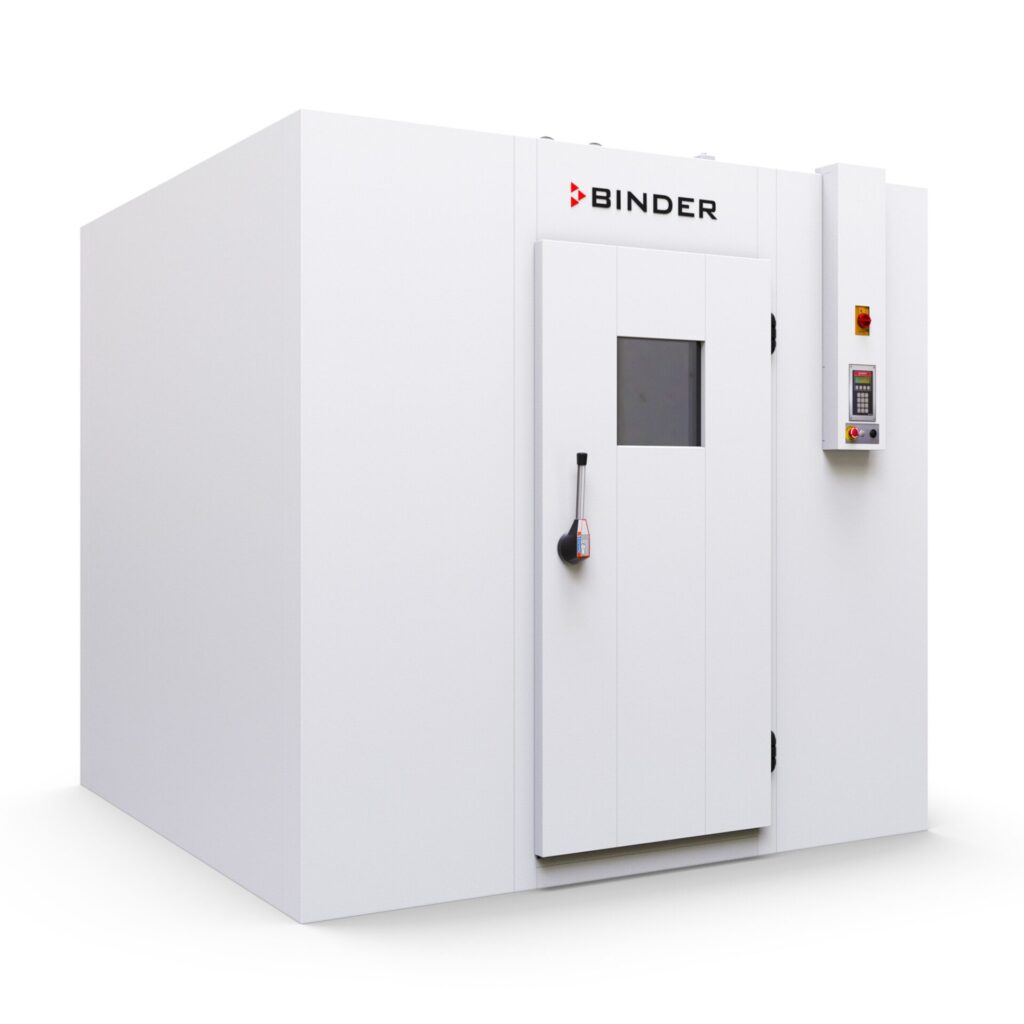
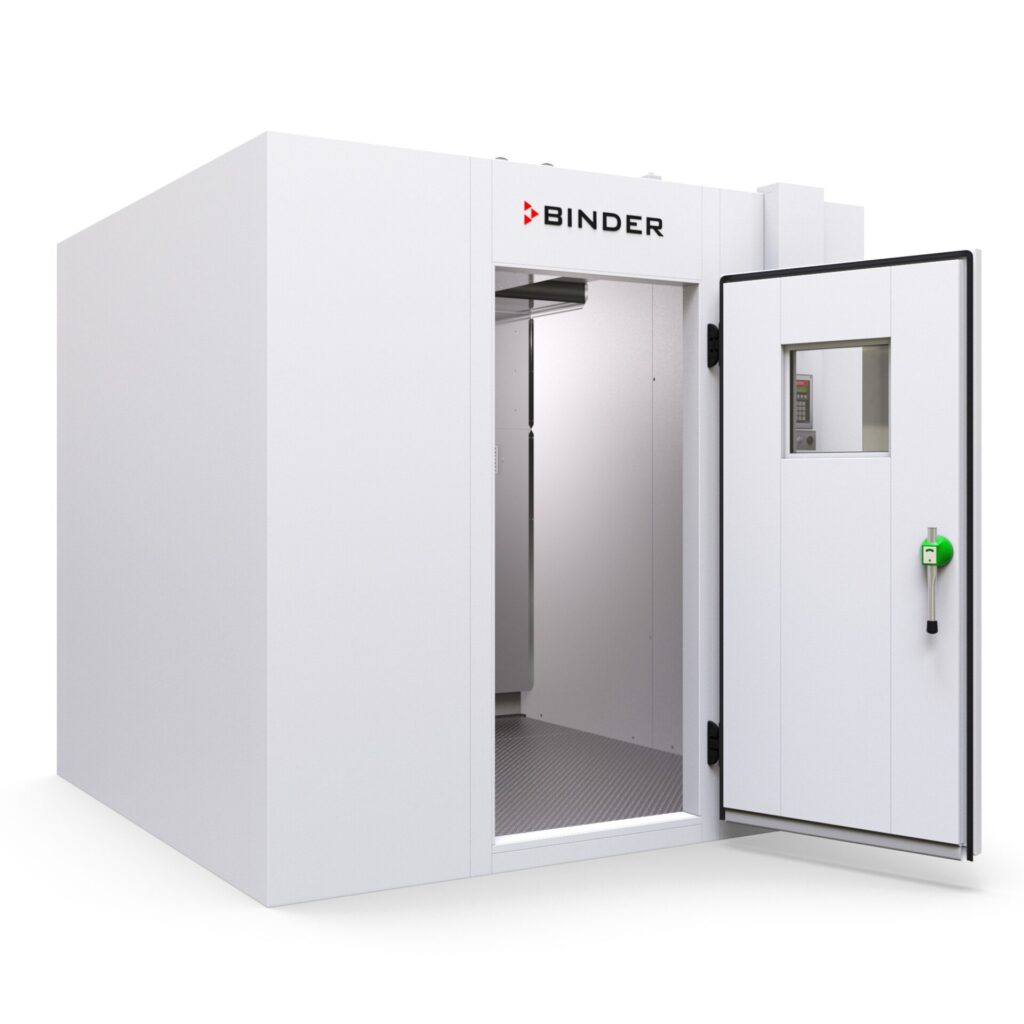
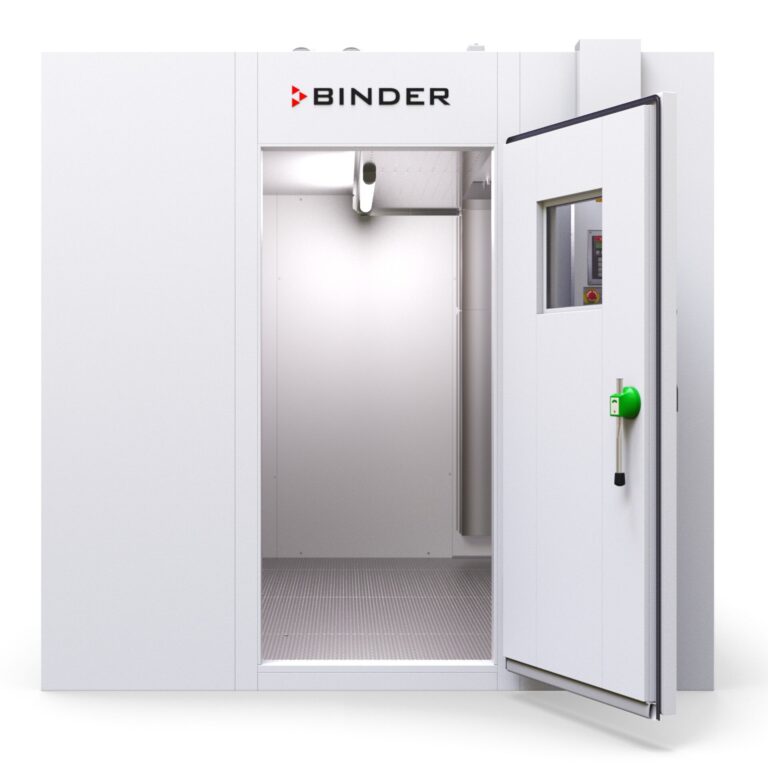
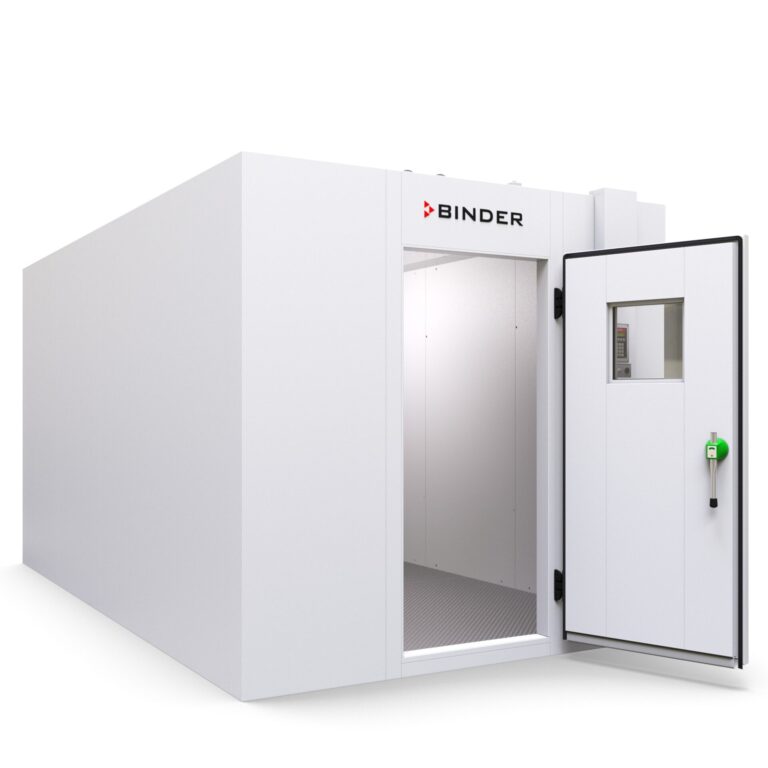
Walk-in chambers, also known as walk-in climate chambers, are large-scale test systems designed to simulate a wide range of environmental conditions. Unlike conventional climate chambers, they provide sufficient space to test large specimens or multiple test units simultaneously.
They combine the capabilities of constant climate chambers and climate test chambers. Both stable long-term conditions and dynamic temperature and humidity profiles can be precisely set and controlled. This makes walk-in chambers highly versatile and suitable for complex testing requirements.
Benefits of Walk-In Climate Chambers
Walk-in chambers offer numerous advantages over smaller climate chambers, particularly in terms of flexibility and scalability. They not only accommodate large products and test setups but also provide direct access to the test space.
The key benefits at a glance:
-
Large interior volume for components, systems, or series testing
-
Combination of constant and dynamic climatic conditions
-
Walk-in access for flexible test setups and adjustments
-
Uniform climate distribution even with complex test configurations
-
Scalable solutions for individual testing requirements
These characteristics make walk-in chambers particularly suitable for companies requiring realistic and application-oriented environmental testing.
Design and Operating Principle of Walk-In Chambers
Walk-in chambers are sophisticated systems consisting of multiple coordinated components. The chamber enclosure is typically designed for high durability and effective thermal insulation to ensure stable conditions within the test space.
Inside the chamber, powerful heating and cooling systems as well as humidification and dehumidification units ensure that the required climatic conditions are precisely achieved and maintained. Modern sensors continuously measure temperature and humidity and transmit the data to the control system in real time. The control system automatically adjusts the relevant components to minimise deviations and ensure uniform climate distribution throughout the chamber – even with large chamber volumes and complex test setups.
Precise Climate Control for Demanding Testing Requirements
A key strength of walk-in chambers is the precise control of temperature and humidity across large chamber volumes. This enables both constant climatic conditions for long-term testing and dynamic profiles for environmental stress simulations.
Uniform distribution of climatic conditions is essential for achieving reproducible test results. Even with extensive test setups or multiple test specimens being tested simultaneously, the required conditions can be maintained throughout the chamber.
This makes walk-in chambers an essential solution for demanding test procedures and complex product development processes.
Standards and Quality Assurance
For many applications – particularly in regulated industries – compliance with international standards is essential. Walk-in chambers are designed to provide precise and reproducible climatic conditions, creating the basis for standards-compliant test procedures.
These may include stability testing in accordance with ICH guidelines as well as requirements associated with GMP environments or industrial quality standards. Precise control and comprehensive documentation of test parameters ensure complete traceability of test results.
Difference Between Constant Climate Chambers and Climate Test Chambers
Walk-in chambers combine the advantages of both systems: while constant climate chambers are designed to maintain stable conditions over extended periods and climate test chambers simulate dynamic climatic profiles, walk-in climate chambers can provide both – but on a significantly larger scale.
This makes them an ideal solution for complex testing requirements where both flexibility and test volume are critical.
Choosing the Right Walk-In Climate Chamber
Selecting the right walk-in chamber depends heavily on the specific requirements of the application. In addition to the required chamber size and internal volume, the desired temperature and humidity range as well as the type of test cycles are important selection criteria.
Requirements relating to standards, documentation, and monitoring are equally important, along with factors such as energy efficiency and future expandability. As walk-in chambers are often configured to meet specific customer requirements, individual planning and expert consultation are recommended.
We will be happy to assist you in configuring the optimal walk-in climate chamber for your application!
Frequently Asked Questions About Walk-In Chambers
When is a walk-in chamber the right choice?
When large components, production series, or complex test setups need to be tested under controlled climatic conditions.
What are the advantages compared with smaller climate chambers?
More test space, greater flexibility, and walk-in access for large or complex test setups.
Can walk-in chambers perform dynamic climate testing?
Yes. Both constant and changing climatic conditions can be simulated.


 Deutsch